Showing posts with label DeMolay. Show all posts

Tuesday, January 30, 2024

Knights Templar's Code of Chivalry and DeMolay's Values: An Analysis

The Templar Code of Chivalry and the Seven Precepts of the Order of DeMolay share common themes of ethics, values, and principles, despite originating in different historical periods and contexts. In this comparison and contrast, we will explore how these two sets of principles align and diverge, while also delving into the values upheld by the Order of DeMolay.

Loyalty and Obedience:

In the Templar Code, Templars swore loyalty and obedience to their order and leaders without question. Their commitment to their brotherhood was unwavering, symbolizing a profound sense of unity and trust. On the other hand, DeMolays emphasize filial love and loyalty to one's parents, promoting family bonds as a cornerstone of their values. Both systems place great importance on loyalty, albeit in different contexts – Templars to their order, DeMolays to their families.

Religious Devotion:

Religious devotion plays a significant role in both the Templar Code and the DeMolay Precepts. Templars upheld deep religious devotion through daily Mass and piety, viewing their service as a sacred duty. In contrast, DeMolay encourages spiritual development and emphasizes faith in a higher power as part of their moral framework. Both stress the importance of spirituality and faith, though the practices differ, reflecting the historical and religious backgrounds of each organization.

Chastity:

One of the most distinct differences between the two sets of principles lies in the concept of chastity. In the Templar Code, Templars took vows of chastity, renouncing marriage and sexual activity as part of their commitment to the order. This strict adherence to celibacy was seen as a symbol of purity and devotion. In contrast, while DeMolays promote clean and pure living, they do not require vows of celibacy. Instead, they emphasize the importance of responsible and respectful relationships. Both advocate for moral purity, but Templars take a stricter stance on chastity.

Courage and Valor:

Courage and valor are virtues that find resonance in both the Templar Code and the DeMolay Precepts. In the Templar tradition, these qualities were tested on the battlefield during the Crusades, where Templars displayed exceptional courage in the face of danger. DeMolays, on the other hand, aspire to develop leadership skills and personal courage, preparing themselves for the challenges of life. While both emphasize courage, Templars' valor was battlefield-oriented, while DeMolays focus on personal development and character building.

Humility:

Humility is another common thread that runs through these ethical frameworks. Templars maintained humility in actions and wealth, avoiding displays of opulence or arrogance. Their humility was reflected in their modest lifestyle and commitment to serving others. DeMolays, too, learn the value of humility through self-improvement and service to others. While Templars focused on material humility, DeMolays emphasize personal growth and self-awareness.

Generosity:

Generosity and philanthropy are principles shared by both the Templar Code and the DeMolay Precepts. Templars directed their wealth toward charitable acts and supporting the needy, recognizing the importance of giving back to the community. Similarly, DeMolays emphasize the importance of altruism and community service, instilling a sense of responsibility toward others. While both advocate for generosity, the recipients and methods differ, with Templars focusing on charity and DeMolays on community service.

Honor and Integrity:

Honor and integrity are virtues that hold a central place in both systems of ethics. Templars valued honesty, integrity, justice, and truthfulness in all their dealings, embodying a code of conduct that reflected their commitment to righteousness. DeMolays, too, uphold values of honor, loyalty, courtesy, and patriotism, promoting ethical behavior and personal integrity. While both stress the importance of honor and integrity, each framework encompasses a slightly different set of virtues.

Protection of the Innocent (Templar Code):

Unique to the Templar Code is the principle of protecting the innocent and defenseless. Templars considered it their duty to shield those who were vulnerable from harm, viewing this as a sacred obligation. This dedication to safeguarding the innocent was particularly evident during their involvement in the Crusades, where they offered refuge to pilgrims and civilians. This principle highlights the Templars' commitment to justice and compassion.

While the Order of DeMolay does not directly incorporate the principle of protecting the innocent and defenseless, it upholds a strong commitment to maintaining a safe and respectful environment. DeMolay has a "zero tolerance" policy for engaging in any act toward any person, youth, or adult, that would reasonably be considered hazing or bullying. This includes acts at DeMolay events or at any time or location that may be in violation of DeMolay's policies and values. While the focus of this policy is different from the Templars' principle, it underscores DeMolay's dedication to ensuring the well-being and safety of its members.

In summary, the Templar Code of Chivalry and the Seven Precepts of the Order of DeMolay share common ethical themes such as loyalty, courage, humility, and integrity. Both systems of principles aim to instill virtuous qualities in their members. However, differences arise due to the distinct historical contexts and purposes of the two organizations. The Templars, as warrior monks during the Crusades, emphasized battlefield valor and religious devotion, while the DeMolay Order focuses on character development, family values, and community service. Despite these variations, both frameworks stand as enduring symbols of ethical conduct and personal growth.

Saturday, January 27, 2024

Senior DeMolay Henry Edward "Hank" Stickney: A Remarkable Life of Service, Entrepreneurship, and Philanthropy

In the annals of American entrepreneurship, there are individuals whose life stories inspire us all. Henry Edward "Hank" Stickney, born on November 8, 1932, in Cleveland, Ohio, was one such exceptional individual whose journey left an indelible mark on various fields – from the military to healthcare, minor league baseball, and entertainment. He passed away on October 17, 2017, after a valiant battle with malignant melanoma, leaving behind a legacy that continues to inspire and resonate.

A Military Career of Distinction

Hank Stickney's journey began with a commitment to serve his country. He joined the United States Air Force, where he served with honor and dedication for 21 years. Rising to the rank of Colonel, he undertook various roles as a pilot and intelligence officer. His military service laid the foundation for qualities that would define his future endeavors – leadership, discipline, and unwavering commitment.

Entrepreneurship in Healthcare

After his distinguished military career, Hank embarked on an entrepreneurial journey that would make a significant impact on the healthcare industry. He founded Western Medical Specialties, a business focused on serving hemophilia patients at home. It was during this time that he developed Factor 7, a crucial blood clotting agent that improved the lives of countless individuals.

A Baseball Visionary

Hank Stickney's entrepreneurial spirit extended beyond healthcare into the realm of sports. He became the CEO of Mandalay Baseball Properties and Dillstar Productions, Inc. Under his leadership, he operated multiple minor league baseball franchises, including the Dayton Dragons, the Shreveport Swamp Dragons, and the Las Vegas 51s. His passion for baseball was evident in the success and innovation he brought to these franchises, with the Dayton Dragons' stadium receiving recognition as one of the most beautiful and successful in the country.

A Leader in Entertainment and Philanthropy

Hank's entrepreneurial pursuits weren't limited to baseball; he also ventured into the world of entertainment. As the owner of Dillstar Productions, he introduced audiences to memorable experiences like Joey & Maria's comedy Italian Wedding.

Hank Stickney's commitment to philanthropy was equally remarkable. He made substantial contributions to the fields he was passionate about, leaving a lasting impact on the communities he served.

A Proud DeMolay

Throughout his life, Hank Stickney remained committed to values instilled in him during his formative years. He was a past Grand Master of DeMolay International, an organization that played a pivotal role in shaping his leadership and public speaking skills. His dedication to DeMolay was evident in his initiation of the Thomas Jones Chapter in Ohio in 1948.

Honors and Legacy

Hank Stickney's remarkable achievements did not go unnoticed. He received numerous accolades during his lifetime, including the Ernst & Young's Entrepreneur of the Year Finalist Award in 2001 and Inc. Magazine's Entrepreneur of the Year in 1986. He was inducted into the Hall of Fame alongside luminaries like Walt Disney, a testament to the lasting impact of his contributions.

In a life filled with diverse accomplishments, Hank Stickney's legacy continues through his family and the many lives he touched. He was a dedicated family man who raised three children, all of whom achieved remarkable success. His entrepreneurial spirit, dedication to service, and philanthropic endeavors continue to inspire generations to come.

Saturday, January 20, 2024

Senior DeMolay and Medal of Honor Recipient: Lance Peter Sijan

Lance Peter Sijan, also known as Lazar Šijan, remains an enduring symbol of valor and selflessness in the annals of American military history. Born on April 13, 1942, in Milwaukee, Wisconsin, his life was marked by a remarkable journey from childhood to the United States Air Force, ultimately culminating in an act of heroism that would lead to the posthumous award of the Medal of Honor, the highest military honor in the United States. Beyond his courageous military career, Sijan's early influences and experiences, including his involvement with DeMolay as a teenager in Wisconsin, shaped his character and instilled values that would define his legacy.

Early Life and Military Career: 

Lance Peter Sijan was the eldest child of Sylvester and Jane Sijan, born to an ethnic Serb father and an Irish-American mother. He grew up in Milwaukee, where his father owned a restaurant. Lance's upbringing was marked by the values of hard work, determination, and a strong sense of duty instilled in him by his parents. His formative years were spent in a nurturing environment that emphasized the importance of family, heritage, and community.

After graduating from Bay View High School in 1960, Sijan embarked on a path that would lead him to greatness. He attended the Naval Academy Preparatory School at the United States Naval Training Center Bainbridge, Maryland, immediately following his high school graduation. His commitment to education and personal growth earned him an appointment to the United States Air Force Academy in Colorado Springs, Colorado.

Sijan's academic pursuits did not overshadow his love for sports. He played on the Air Force Academy's football team for three years, showcasing his dedication and teamwork. In his final year, he made the difficult decision to leave the team to focus on his studies, a testament to his unwavering commitment to excellence. In 1965, he graduated with a Bachelor of Science degree in Humanities and was commissioned as a second lieutenant.

Following his graduation, Sijan commenced Undergraduate Pilot Training, marking the beginning of his remarkable military career. He was assigned to the 480th Tactical Fighter Squadron, 366th Fighter Wing, stationed at Da Nang Air Base, South Vietnam, where he served as a pilot and systems officer in an F-4 Phantom.

The Last Mission: 

November 9, 1967, is a date etched in history as the night of Sijan's 52nd combat mission. He and pilot Lieutenant Colonel John Armstrong were assigned a critical bombing mission to Ban Laboy ford in Laos. Tragically, during the mission, their F-4C aircraft was engulfed in flames due to a malfunction in the bomb fuses, leading to a premature detonation upon release. In a desperate bid to survive, Sijan ejected from the aircraft, landing on a rocky limestone ridge near the target.

Sijan's journey from this point forward was nothing short of miraculous and exemplified his indomitable spirit. Despite suffering a fractured skull, a mangled right hand, and a compound fracture of his left leg during the violent ejection, he was determined to survive. Alone, without food, and with minimal water and no survival kit, he managed to evade enemy forces for an astonishing 46 days.

Throughout his ordeal, Sijan's resilience was evident. He could only move by sliding on his buttocks and back along the unforgiving terrain. His journey led him to a truck road along the Ho Chi Minh Trail, where he was captured by North Vietnamese forces on Christmas Day, 1967. Even in captivity, he displayed unwavering resolve, repeatedly resisting his captors' attempts to extract information beyond the limits of the Geneva Convention.

 Lance Peter Sijan's life, from his early years influenced by his family and community to his valiant military service, remains a testament to the enduring impact of childhood experiences and values. His involvement with DeMolay during his teenage years in Wisconsin undoubtedly contributed to his sense of duty, honor, and commitment to a greater cause.

Despite the unimaginable challenges he faced, Sijan's unwavering determination and commitment to his fellow airmen never wavered. His selflessness and courage under lethal danger ultimately earned him the Medal of Honor, which he received posthumously in 1976.

Lance Peter Sijan's legacy continues to inspire generations, serving as a reminder that the values instilled in us during our formative years can shape us into extraordinary individuals. His story is a testament to the indomitable spirit of the human will and the enduring power of resilience, honor, and sacrifice.

Friday, January 19, 2024

Nobel-Prize Winner John Steinbeck: Senior DeMolay and Master Mason

John Steinbeck, the renowned Nobel Prize-winning American author, possessed qualities that resonated with the principles upheld by the Freemasons. He was a man of profound thought, deeply sensitive to the struggles faced by ordinary individuals, particularly during the tumultuous period of the Great Depression and its aftermath. Much of Steinbeck's literary works reflected the challenges and tribulations of the working class, and it is evident that the teachings of the Freemasonry fraternity influenced his writing. This essay delves into the life of John Steinbeck, exploring his early years, his involvement with DeMolay during childhood, his initiation as a Freemason, and the impact of Freemasonry on his literary creations, with a particular focus on his novels "Winter of Our Discontent" and "East of Eden."

The Son of a Mason and DeMolay Youth

John Steinbeck was born on February 27, 1902, in Salinas, California, to parents who played a significant role in shaping his values and worldview. His father, John Ernst Steinbeck, was not only a Freemason but also served as the Monterey County treasurer in California. From a young age, John was introduced to the world of Freemasonry through his father's affiliation. Furthermore, during his childhood, John became a member of the Order of DeMolay, a youth organization sponsored by the Masonic fraternity. This early exposure to Masonic principles would have a lasting impact on his life and work.

Growing up in the fertile Salinas Valley, often referred to as the "Salad Bowl of the Nation," Steinbeck developed a deep appreciation for his surroundings, an appreciation that would later find its way into his literary works. His mother, Olive Hamilton Steinbeck, was a schoolteacher who nurtured young John's passion for reading and writing, encouraging his intellectual pursuits.

The Work of a Mason

In 1929, Steinbeck published his first novel, "Cup of Gold," a tale based on the life of the privateer Henry Morgan. Around the same time, he became a member of Salinas Lodge No. 204, a Freemasonry lodge in Salinas, California. On March 1, 1929, Steinbeck was initiated into Freemasonry, progressing through the degrees of the blue lodge, and eventually reaching the sublime degree of Master Mason on May 24, 1929. While he did not hold active positions or engage extensively in lodge activities, his involvement with Freemasonry left a lasting impact on his life and work.

Amid the looming Great Depression, Steinbeck and his wife, Carol Henning, faced financial challenges in Los Angeles. They received support from John's parents, who provided them with a cottage in Pacific Grove, California, along with a loan and paper to facilitate John's writing. This period of financial hardship and relative seclusion allowed him to produce his first novel, "Cup of Gold," which marked the beginning of his literary journey. Additionally, their simple lifestyle during this time provided inspiration for later works, such as "Cannery Row."

Steinbeck's friendship with marine biologist Ed Ricketts, established during his time near Monterey, significantly influenced his philosophical outlook and understanding of biology. Ricketts became a mentor to Steinbeck, expanding his horizons in the realms of philosophy and biology. The friendship extended to the point where Steinbeck and Carol even worked in Ricketts's marine lab.


A Blossoming Career

During the period they spent near Monterey, Steinbeck embarked on his writing career in earnest. He published several novels, including "The Pastures of Heaven" (1932), "The Red Pony" (1933), and "To a God Unknown" (1933). While these early works did not attain widespread recognition, they laid the foundation for his future success.

His breakthrough came with "Tortilla Flat" in 1935, a novel that resonated with readers and was eventually adapted into a film in 1942. This success marked the beginning of Steinbeck's "California novels," a series of works that depicted the struggles of everyday people during the Dust Bowl and the Great Depression. Notable works in this series include "Of Mice and Men" and "The Grapes of Wrath," the latter of which became a bestseller in 1939, earning Steinbeck the National Book Award and the Pulitzer Prize for Fiction.

However, "The Grapes of Wrath" was not without controversy, as it was a politically charged novel critical of capitalism and sympathetic to the working class. In California, where much of the story was set, it faced criticism and even bans in some regions for its perceived misrepresentation of the area's conditions.

World War II and Later Works

Following the entry of the United States into World War II, Steinbeck served as a war correspondent for the New York Herald Tribune, accompanying U.S. forces on various missions, including an island invasion off the coast of Italy. His experiences during this time, both the physical and psychological challenges, left a significant impact on him.

In 1942, Steinbeck co-wrote the screenplay for Alfred Hitchcock's film "Lifeboat," which added to his diverse portfolio of work. After the war, he continued to write prolifically, producing notable novels such as "Cannery Row" (1945) and "The Pearl" (1947). "Cannery Row" was particularly significant as it drew inspiration from his experiences in Monterey and showcased his deep empathy for the ordinary people he encountered.

"Winter of Our Discontent" and Masonic Influence

One of the most intriguing aspects of Steinbeck's life and work is the presence of Masonic themes and influences, notably in his novel "Winter of Our Discontent," published in 1961. The novel's protagonist, Ethan Allen Hawley, grapples with moral dilemmas, economic pressures, and societal expectations in a changing world, much like Steinbeck did during his lifetime.


In "Winter of Our Discontent," the title itself is derived from William Shakespeare's play "Richard III," where the line reads, "Now is the winter of our discontent." The novel explores themes of integrity, greed, and personal ethics, echoing the Masonic values of brotherhood, moral virtue, and self-improvement. Ethan Hawley's internal struggle and eventual redemption can be seen as a reflection of Steinbeck's own contemplations and experiences.

In the novel, there are references to Freemasonry and Masonic symbols, such as the square and compass, which serve as a backdrop to the story. These elements highlight the conflict between material success and moral integrity, a central theme in Steinbeck's work.

The novel concludes with a sense of moral restoration, suggesting that redemption is possible for those who adhere to their inner principles. This message aligns with Masonic teachings that emphasize the importance of personal growth and moral development.

"East of Eden" and the Dichotomy of Good and Evil

Another of Steinbeck's significant works, "East of Eden" (1952), explores the enduring struggle between good and evil. The novel draws inspiration from the biblical story of Cain and Abel, with the setting closely resembling the Salinas Valley where Steinbeck grew up.

Within the narrative, several characters represent different facets of human nature, with themes of choice, free will, and the consequences of one's actions pervading the story. The novel's title itself references the biblical account of Cain's exile "east of Eden" after committing fratricide.

While there is no overt Masonic symbolism in "East of Eden," the novel's exploration of moral choices and the human capacity for both good and evil resonates with Masonic principles. Freemasonry encourages its members to strive for moral excellence and make virtuous choices in their lives. The novel's examination of these themes aligns with Steinbeck's broader exploration of ethics and morality in his work.

Conclusion

John Steinbeck's life and literary career were profoundly influenced by his experiences, values, and, to some extent, his membership in the Freemasonry fraternity. Born into a family with Masonic ties and having joined DeMolay during his childhood, Steinbeck's initiation into the fraternity further connected him to a tradition that emphasizes moral and ethical development. While he did not actively participate in Masonic activities, the principles of brotherhood, integrity, and self-improvement undoubtedly left an imprint on his worldview and writing.

Steinbeck's novels, including "Winter of Our Discontent" and "East of Eden," explore themes of moral struggle, personal growth, and the dichotomy between good and evil. These themes reflect the ethical concerns central to Freemasonry, making his works a testament to the enduring influence of the fraternity on his literary creations.

In his lifetime, Steinbeck's novels garnered critical acclaim, and his exploration of the human condition continues to resonate with readers today. His legacy as a writer, deeply rooted in his experiences and influenced by Masonic values, stands as a testament to the enduring impact of both his personal journey and the teachings of Freemasonry on his literary achievements.

Saturday, January 13, 2024

Senior DeMolay Dick Bartell: The "Rowdy Richard" of Major League Baseball

Richard William Bartell, fondly nicknamed "Rowdy Richard," was not just a legendary figure in the world of baseball but also a proud member of the Oakland Chapter of the Order of DeMolay. Born on November 22, 1907, Bartell left an indelible mark on Major League Baseball (MLB) as a talented shortstop, coach, and manager. His career spanned from 1927 to 1946, marked by fierce competitiveness and a reputation for being a no-nonsense player.

Standing at a modest 5'9" and 160 pounds, Bartell defied physical expectations with his exceptional skills on the field. He batted and threw right-handed and was known for his aggressive style of play and fiery attitude, traits that earned him the nickname "Rowdy Richard."

Bartell's baseball journey began at a young age. Growing up in Alameda, California, he attended Alameda High School, where he honed his baseball skills. In 1926, while still in high school, Bartell received the prestigious Cal-Hi State baseball player of the year award. This recognition was a testament to his talent and dedication to the sport.

After graduating from the University of Oklahoma in 1931, Bartell's remarkable abilities earned him a Rhodes Scholarship. He spent the next three years studying at Oxford University in England. However, his passion for baseball led him back to the United States, where he embarked on a career that would leave an enduring legacy.

Bartell's MLB journey took him to several teams, including the Pittsburgh Pirates (1927–30), Philadelphia Phillies (1931–34), New York Giants (1935–38, 1941), Chicago Cubs (1939), and Detroit Tigers (1940–1941). His career was marked by frequent trades, often under acrimonious circumstances. Despite the challenges, Bartell consistently showcased his exceptional skills, winning admirers and critics alike.

Throughout his career, Bartell achieved impressive statistics. He achieved a batting average of .300 over a full season five times and led the National League in double plays four times, as well as in putouts and assists three times each. His skillful hitting led to a career-high batting average of .320 in 1930, and he collected seasons of 40 doubles and 100 runs three times by 1934.

Bartell's contributions extended beyond his individual achievements. He played a pivotal role in helping the Philadelphia Phillies achieve a fourth-place finish in the 1932 season, marking their only first-division finish in a span of 32 seasons (1918–42). In 1933, he earned a spot in the first-ever All-Star Game, solidifying his status as one of the game's greats. He was also selected to the All-Star Game again in 1937.

Traded to the New York Giants in 1935, Bartell played a key role in the team's two National League pennants in 1936 and 1937. His outstanding performance in the 1936 World Series, where he hit .381, contributed significantly to the Giants' success. Bartell's reputation for being outspoken was evident when he was hit in the chest with a tomato thrown from the stands during a game against the Brooklyn Dodgers in 1937.

Bartell's versatility was showcased when he played with the Chicago Cubs in 1939 and then joined the American League with the Detroit Tigers in 1940. In his first season with the Tigers, he partnered with second baseman Charlie Gehringer to secure an AL pennant for the team. Bartell's enduring commitment to the game led him to return to the New York Giants as a player-coach in 1941.

Throughout his 18-season career, Bartell compiled an impressive batting average of .284 with 79 home runs and 710 runs batted in. He also accumulated 1,130 runs, 2,165 hits, 442 doubles, 71 triples, 109 stolen bases, and 748 bases on balls. Defensively, he maintained an impressive .955 fielding percentage, primarily as a shortstop but also playing at third and second base. In 18 World Series games, Bartell maintained a .294 batting average with 10 runs, 6 doubles, 1 home run, 7 RBI, and 7 walks.

After retiring from playing, Bartell continued his involvement in baseball as a manager in the minor leagues and as a coach for the Detroit Tigers (1949–52) and Cincinnati Redlegs (1954–55). His contributions to the sport were celebrated, and he received numerous awards and honors, including the Oklahoma Will Rogers Award (1979) and the University of Oklahoma's Distinguished Alumnus Award (1990). He was also inducted into the DeMolay Hall of Fame on June 21, 1996.

Dick Bartell's legacy extends beyond the baseball field, exemplifying the values of leadership, commitment, and excellence that he cultivated as a Senior DeMolay and throughout his illustrious career in baseball. His dedication to both the sport and the principles of DeMolay serves as an enduring inspiration to future generations.

Wednesday, January 10, 2024

Senior DeMolay: From F100 Combat Fighter Pilot to Commander, Strategic Air Command

General John T. Chain Jr. is a name synonymous with excellence in military leadership and a legacy of unwavering commitment to safeguarding the United States. Born in Wilmington, Delaware, in 1934, General Chain's journey from a young recruit to the Commander of the Strategic Air Command (SAC) is a testament to his dedication, remarkable achievements, and deep-rooted values.

General Chain's path to greatness began at the Fork Union Military Academy in Virginia, where he imbibed the principles of honor, discipline, and leadership that would shape his life. His thirst for knowledge led him to Denison University, where he earned a bachelor of arts degree in history in 1956. In recognition of his extraordinary contributions to national defense, he was awarded an honorary doctorate in humane letters by Denison University in 1990.

Educated and prepared, General Chain embarked on his military career through the Air Force Reserve Officer Training Corps program, where he was commissioned as a second lieutenant. His early years in the Air Force were marked by rigorous training, culminating in earning his pilot wings in December 1957.

General Chain's aviation journey continued with combat crew training, followed by assignments that showcased his flying prowess. He served as an F-100 pilot with the 50th Tactical Fighter Wing at Toul-Rosieres Air Base in France from August 1958 to September 1959. His dedication to aviation remained steadfast as he served with the 417th Tactical Fighter Squadron at Ramstein Air Base in West Germany from October 1959 to August 1962. He further honed his flying skills as a flight examiner with the 524th Tactical Fighter Squadron at Cannon Air Force Base, New Mexico.


In June 1964, General Chain took on a new role as a forward air controller with the 101st Airborne Division at Fort Campbell, Kentucky. During his tenure, he became a master parachutist and logged hours flying Army 0-1s and Air National Guard F-84F aircraft.

The Vietnam War marked a significant chapter in General Chain's career, as he flew combat missions from Tan Son Nhut Air Base in the Republic of Vietnam from January to December 1966. His contributions to the U.S. military effort in the region demonstrated his unwavering commitment to national defense.

General Chain's exceptional leadership skills led him to various command and staff positions within the Air Force, making him a respected figure in the Air Force community. He took on roles that showcased his versatility and leadership acumen.

In June 1986, General Chain assumed the critical role of Commander in Chief of the Strategic Air Command (SAC) and Director of the Joint Strategic Target Planning Staff. As the head of the nation's major nuclear deterrent force, he oversaw bombers, tankers, reconnaissance aircraft, and intercontinental ballistic missiles. His leadership played a pivotal role in maintaining the nation's nuclear security and readiness.

General Chain's dedication to service and his remarkable leadership skills were consistently recognized throughout his career. His military decorations and awards include the Defense Distinguished Service Medal, Distinguished Service Medal with oak leaf cluster, Legion of Merit, Distinguished Flying Cross with oak leaf cluster, Bronze Star Medal, and numerous other honors that reflect his exceptional contributions to the U.S. Air Force.

Notably, General Chain's flight credentials are a testament to his dedication to aviation and national defense. He amassed an impressive 5,000 flying hours, including a remarkable 400 combat hours. These flight hours underscore his deep commitment to protecting our nation's interests and highlight his outstanding contributions to the field of aviation.

Beyond his military achievements, General Chain's membership in the Grand Forks Chapter of DeMolay speaks to his dedication to youth development and mentorship. He instilled in young individuals the values of leadership, character, and community service, leaving a lasting impact on future generations.

Promoted to the rank of general on July 1, 1985, General John T. Chain Jr. concluded his remarkable military career with a legacy of excellence, leadership, and an unwavering dedication to the defense of the United States. His life and service stand as a lasting testament to the values of duty, honor, and country that he exemplified throughout his distinguished career.

Sunday, January 7, 2024

The only ACTIVE DeMolay to Receive an Olympic Gold Medal


In the world of sports, only a few individuals manage to etch their names in history with remarkable achievements. Robert Bruce Mathias was one such extraordinary figure. Born on November 17, 1930, in Tulare, California, Mathias left an indelible mark on both the athletic and political landscapes of the United States.

Early life and Athletic Career

Mathias's journey to greatness began in his hometown of Tulare. Raised in a family with partial Greek lineage, he attended Tulare Union High School, where he formed lasting friendships, including one with Sim Iness, the 1952 Olympic discus gold medalist. However, it wasn't until 1948, during his high school years, that Mathias discovered his passion for the decathlon.

This revelation came about thanks to his track coach, Virgil Jackson, who suggested he try the decathlon. Little did Mathias know that this decision would lead him to the world stage. In the summer following his high school graduation, he qualified for the United States Olympic team for the 1948 Summer Olympics held in London.

Despite his initial lack of experience, Mathias displayed incredible determination and perseverance. He faced challenges, including unfamiliarity with the shot put rules and a near-foul in the high jump. However, he overcame these obstacles and went on to secure the Olympic gold medal, becoming the youngest gold medalist in track and field at the age of 17.

Mathias's success continued in the years leading up to the 1952 Summer Olympics in Helsinki. He won the James E. Sullivan Award in 1948, recognizing him as the nation's top amateur athlete. Mathias's athletic achievements were even more remarkable considering that he spent a year at The Kiski School, a boarding school, to improve his scholastic record.

Enrolling at Stanford University in 1949, Mathias played college football for two years and was a member of Phi Gamma Delta fraternity. In 1950, he set his first decathlon world record, and he led Stanford to a Rose Bowl appearance in 1952.

After earning his degree in Education in 1953, Mathias joined the U.S. Marine Corps, achieving the rank of captain during his service. His remarkable decathlon skills culminated in the 1952 Olympics in Helsinki, where he secured another gold medal, setting a new world record and becoming the first person to successfully defend an Olympic decathlon title.

Mathias retired from athletic competition after the 1952 Olympics but continued to contribute to the world of sports. He served as the first director of the United States Olympic Training Center from 1977 to 1983.

Political Career

Beyond his athletic endeavors, Mathias ventured into politics. Between 1967 and 1975, he served four terms in the United States House of Representatives as a Republican, representing California's northern San Joaquin Valley. Mathias's political career overlapped with Ronald Reagan's two terms as governor of California.

During his time in Congress, Mathias won re-election three times but faced a significant challenge in 1974 when his district was redrawn. Although he narrowly lost his bid for re-election in 1974, he continued to serve in government roles, including as the deputy director of the Selective Service from June to August 1975 and as a regional director in Gerald Ford's 1976 presidential election campaign.

Legacy and Remembrance

Robert Bruce Mathias's legacy extended beyond the realms of sports and politics. His remarkable journey, from an inexperienced high school athlete to a two-time Olympic gold medalist and a congressman, inspired many. Mathias passed away on September 2, 2006, after battling cancer. He was survived by his family, leaving behind a lasting legacy of dedication, perseverance, and achievement.

Mathias's own words capture the essence of his remarkable life: "My experiences in DeMolay most certainly were greatly beneficial in my career in sports, politics, and now, in the business world. I am grateful that DeMolay helped me learn many important values that have always remained with me."

Robert Bruce Mathias remains an enduring example of what can be achieved through dedication, hard work, and the values instilled by organizations like DeMolay. His story continues to inspire generations to pursue their dreams and make a lasting impact on the world.

Tuesday, January 2, 2024

From DeMolay Chapter Scribe to Grand Master of Masons: Samuel C. Williamson

The life of Samuel C. Williamson is a testament to the transformative power of organizations like DeMolay and Freemasonry in shaping young men into leaders of character and integrity. Samuel's journey is marked by a remarkable commitment to these institutions, along with significant accomplishments in both the DeMolay and Masonic communities.

Born on February 26, 1932, in Turtle Creek, Pennsylvania, Samuel C. Williamson embarked on his educational journey, eventually earning a Bachelor of Science degree from the University of Pittsburgh in 1950. His early years laid the foundation for a lifetime dedicated to education, service, and leadership.

In 1952, Samuel took a significant step in his life by joining the United States Army, demonstrating his commitment to serving his country. It was during this period that he began to understand the importance of discipline, honor, and the values that would later become synonymous with his name.

Following his military service, Samuel C. Williamson embarked on a distinguished career with the United States Steel Corporation, where he worked tirelessly from 1952 to 1983. His role as Superintendent of the Chemicals Department at Clairton Works exemplified his dedication to excellence and leadership in the corporate world.

However, Samuel's impact extended far beyond the realm of corporate success. His commitment to community and public service was exemplified during his tenure on the Pitcairn Borough Council from 1967 to 1973, where he played a pivotal role in local governance.

Samuel's dedication to his faith and the church community was evident in his involvement with the Center Avenue United Methodist Church, where he actively contributed to the spiritual well-being of those around him.

Yet, it is in the realms of DeMolay and Freemasonry that Samuel C. Williamson's legacy shines most brilliantly. He was initiated into DeMolay on September 28, 1945, in McKinley Chapter, Turtle Creek, Pennsylvania. Little did he know that this initiation would set the stage for a lifetime of devotion to the organization.

His journey in DeMolay was marked by significant milestones. Samuel served as the Executive Officer of DeMolay in Pennsylvania from 1987 to 2000, leaving an indelible mark on the organization. His commitment to the youth of DeMolay was further underscored by his role as Grand Treasurer of DeMolay International from 1996 to 2002, where he managed the financial affairs of the organization with unwavering dedication.

One of Samuel's crowning achievements in the realm of Freemasonry was becoming the Right Worshipful Grand Master of Masons in Pennsylvania from 1982 to 1983. This prestigious role signified the pinnacle of his Masonic journey, where he led the fraternity with wisdom and distinction.

Furthermore, Samuel C. Williamson's contributions to Masonic youth were exemplified by his role as the Founder and Chairman of the Pennsylvania Masonic Youth Foundation in 1982. His commitment to nurturing the future leaders of Freemasonry was unwavering, as he recognized the importance of guiding and mentoring the younger generation.

Samuel's impact extended beyond the borders of Pennsylvania, as he served as the Chairman for the Conference of Grand Masters of North America from 1982 to 1983. His leadership and vision resonated with Masonic leaders from across the continent, further solidifying his status as a respected figure in the Masonic world.

His dedication to the Scottish Rite was acknowledged with his elevation to the 33rd Degree in the Valley of Pittsburgh in 1977, marking a significant achievement in his Masonic journey.

Throughout his life, Samuel C. Williamson received numerous accolades and awards for his outstanding service to both DeMolay and Freemasonry. These include the Grand Lodge of Pennsylvania Franklin Medal in 1984, the Grand Lodge of New Jersey Daniel Coxe Medal in 2005, and the Grand Lodge of Pennsylvania HODEGOS Award for Service to Youth in 2005.

In 2015, he was honored with the Sovereign Grand Commander's Distinguished Service Medal, a testament to his exceptional contributions to the Scottish Rite. The DeMolay International Grand Cross in 2002 and the Rainbow Grand Cross of Color further showcased his dedication to Masonic youth.

Samuel C. Williamson's initiation into DeMolay and Freemasonry in 1945 marked the beginning of a journey filled with dedication, leadership, and service. His remarkable legacy continues to inspire generations of DeMolay members and Masons, reminding us of the transformative power of these organizations in shaping individuals into outstanding leaders and citizens. Samuel C. Williamson's name will forever be etched in the annals of DeMolay and Freemasonry, a shining example of unwavering commitment and service.

Sunday, December 31, 2023

DeMolay: Nurturing Young Leaders for a Bright Future


In a world where values like integrity, leadership, and community service are cherished, organizations like DeMolay thrive. DeMolay, a global youth fraternity grounded in Masonic principles, plays a vital role in shaping the future leaders of society. This article explores the essence of DeMolay, its history, mission, 

DeMolay: A Brief History:

DeMolay was founded in 1919 in Kansas City, Missouri, by Frank S. Land, a devoted Freemason. The organization drew inspiration from Jacques DeMolay, the last Grand Master of the Knights Templar, who stood firm in his beliefs even in the face of adversity. The name "DeMolay" symbolizes the unwavering commitment to principles, a legacy passed on to the youth of today.


Mission and Values:

DeMolay's mission is to provide young men between the ages of 12 and 21 with a supportive and values-driven environment where they can develop essential life skills and cultivate leadership qualities. At its core, DeMolay promotes three foundational values: Leadership, Brotherhood and Service.

Lifelong Friendships:

One of the most remarkable aspects of DeMolay is the lifelong friendships it nurtures. The bonds formed within DeMolay extend beyond friendship; they become a supportive network throughout life's journey. DeMolay alumni often recount stories of their enduring connections, proving the organization's commitment to forging strong relationships.

Conclusion:

DeMolay is not just a youth organization; it is a catalyst for personal growth, leadership development, and community service. By instilling values of integrity, service, and leadership, DeMolay prepares young men to become responsible and compassionate leaders in an ever-changing world. With a legacy spanning over a century, DeMolay continues to shape the lives of countless individuals, leaving an indelible mark on both its members and the communities they serve.

For information on the George Washington Chapter of the Order of DeMolay, contact Raymond E. Foster at raymondefostersr@gmail.com or 909-599-7530

Notable DeMolay Alumni: Shaping a Legacy of Leadership

The Order of DeMolay, an international youth organization dedicated to developing young men into leaders and responsible citizens, has a rich history of notable alumni who have gone on to achieve remarkable success in various fields. These individuals, who once wore the DeMolay emblem with pride, exemplify the organization's core values of leadership, integrity, and community service. In this article, we will explore some of the most prominent and influential DeMolay alumni and their enduring impact on society.

  1. Walt Disney

Walt Disney, the legendary creator of Disneyland and co-founder of The Walt Disney Company, was an active DeMolay member during his youth in Missouri. Disney's creativity, innovation, and commitment to dreams have left an indelible mark on the world of entertainment.

  1. John Wayne

The iconic American actor known for his roles in Western films, John Wayne, was a DeMolay member in Glendale, California. Wayne's career spanned six decades, and his contributions to the film industry continue to inspire generations of actors.

  1. Mel Blanc

Mel Blanc, the "Man of a Thousand Voices" and the voice behind many beloved cartoon characters, was a DeMolay member in Portland, Oregon. His iconic voice work includes Bugs Bunny, Daffy Duck, and many more.

  1. Bill Clinton

The 42nd President of the United States, Bill Clinton, was an active DeMolay member during his youth in Arkansas. Clinton's leadership in American politics and philanthropy has had a significant impact on both national and global scales.

  1. John Steinbeck

Renowned author John Steinbeck, famous for works such as "The Grapes of Wrath" and "Of Mice and Men," was a DeMolay member in Salinas, California. His literary contributions earned him a Nobel Prize in Literature.

  1. Bob Mathias

Olympic decathlon champion and former Congressman Bob Mathias was a DeMolay member in Tulare, California. His athletic achievements and dedication to public service continue to inspire young athletes and leaders.

  1. John Jacob Astor IV

John Jacob Astor IV, a prominent businessman, inventor, and author, was a DeMolay member in New York City. Astor's entrepreneurial spirit and contributions to early 20th-century America are noteworthy.

  1. Fran Tarkenton

Former NFL quarterback Fran Tarkenton, known for his exceptional football career with the Minnesota Vikings, was a DeMolay member in Athens, Georgia. Tarkenton's leadership on and off the field has left a lasting legacy in sports.

  1. Walter Cronkite

Walter Cronkite, the iconic news anchor often referred to as the "Most Trusted Man in America," was a DeMolay member in Kansas City, Missouri. His journalism career set the standard for integrity in reporting.

  1. Mark Harmon

Actor Mark Harmon, famous for his roles in "NCIS" and "St. Elsewhere," was a DeMolay member in Burbank, California. His contributions to television and entertainment have made a lasting impact.

  1. Neil Armstrong

Neil Armstrong, the first human to set foot on the moon during NASA's Apollo 11 mission, was a DeMolay member in Wapakoneta, Ohio. His historic achievement in space exploration has inspired generations worldwide.

Conclusion

The impressive list of notable DeMolay alumni demonstrates the organization's ability to shape leaders and influencers across diverse fields. These individuals, who once embraced DeMolay's principles of leadership, personal growth, and community service, have gone on to make significant contributions to society. Their achievements serve as a testament to the enduring legacy of DeMolay and the positive influence it continues to have on young men seeking to become leaders and responsible citizens.

The Seven Core Values of DeMolay: Building Tomorrow's Leaders

DeMolay International, the premier youth leadership organization for young men, has long been guided by a set of seven core values. These values serve as the foundation upon which the organization stands, shaping the character and principles of its members. In this essay, we will delve into the seven core values of DeMolay, exploring their significance, impact, and how they help mold young men into responsible, ethical leaders.

Love of Parents and Home

The first core value, "Love of Parents and Home," emphasizes the importance of familial bonds and the love and respect owed to one's parents. DeMolay teaches its members to honor and appreciate their families, nurturing a sense of gratitude and responsibility that extends beyond the home. This value underscores the significance of strong family relationships as the bedrock of a successful and fulfilling life.

Reverence for Sacred Things

"Reverence for Sacred Things" underscores the importance of spirituality and respect for individual beliefs. DeMolay encourages members to embrace and explore their faith while respecting the religious diversity within the organization. This core value promotes tolerance, acceptance, and an appreciation for the spiritual dimension of life.

Courtesy

"Courtesy" is a cornerstone of DeMolay, emphasizing the importance of treating others with respect, kindness, and consideration. Members are encouraged to practice good manners, civility, and empathy in their interactions with peers and the broader community. This value fosters positive relationships and effective communication skills.

Comradeship

"Comradeship" celebrates the bonds of brotherhood and friendship that DeMolay members share. It emphasizes the importance of loyalty, support, and camaraderie among peers. This core value encourages young men to build lasting friendships, rely on one another, and create a supportive community.

Fidelity

"Fidelity" underscores the significance of keeping one's promises and maintaining unwavering loyalty to one's principles and obligations. DeMolay members are taught the value of integrity, honesty, and the importance of following through on commitments. This core value helps instill a strong sense of personal responsibility and accountability.

Cleanness

"Cleanness" goes beyond physical cleanliness; it also encompasses moral purity and ethical conduct. DeMolay encourages members to lead virtuous lives, make responsible choices, and uphold high moral standards. This value guides young men in avoiding negative influences and embracing a life of integrity.

Patriotism

"Patriotism" instills in DeMolay members a love for their country and a commitment to its well-being. This core value encourages civic engagement, responsible citizenship, and service to the community. DeMolay members are inspired to contribute positively to society and to honor those who serve and protect their nation.

Conclusion

The seven core values of DeMolay form the heart and soul of the organization, shaping the character and principles of its members. Through these values, young men learn the importance of family, spirituality, respect, courtesy, camaraderie, integrity, and civic responsibility. As they grow and develop within DeMolay, these values become guiding principles that help mold them into responsible, ethical leaders who positively impact their communities and the world. The legacy of these core values endures, building a brighter future through the young leaders of DeMolay.

For information on the George Washington Chapter of the Order of Demolay or DeMolay in general, email Raymond E. Foster at raymondefostersr@gmail.com or call 909-599-7530.

Saturday, December 30, 2023

The DeMolay Nine O'Clock Interpolation: A Symbol of Unity and Brotherhood

In the world of fraternal organizations, symbolism plays a significant role in conveying messages, values, and lessons to its members. DeMolay, the international youth organization associated with Freemasonry, is no exception. One of the most profound and symbolic rituals within DeMolay is the Nine O'Clock Interpolation. This ritual holds deep meaning and significance, serving as a reminder of the organization's core principles and the importance of unity and brotherhood.

To understand the Nine O'Clock Interpolation, we must first delve into the history and purpose of DeMolay. Founded in 1919 by Frank S. Land, DeMolay aims to instill young men with a strong sense of character, leadership, and moral values. Inspired by the chivalric and virtuous principles of Jacques DeMolay, the last Grand Master of the Knights Templar, the organization seeks to mold its members into responsible citizens and leaders.

The Nine O'Clock Interpolation is performed during DeMolay meetings and gatherings, typically at the stroke of nine o'clock. It is a solemn moment when all members stand in unison to pay their respects to the ideals and values represented by DeMolay. Here are some key aspects and symbolism associated with this ritual:

  1. Unity: At the heart of the Nine O'Clock Interpolation is the idea of unity. As the clock strikes nine, all DeMolays, regardless of their individual backgrounds, beliefs, or differences, stand together in harmony. This act symbolizes the unity and brotherhood that DeMolay strives to cultivate among its members.

  2. Remembrance: The Nine O'Clock Interpolation is also a moment of remembrance. It serves as a reminder of the history and legacy of DeMolay and the sacrifices made by individuals like Jacques DeMolay. Members reflect on the organization's core principles of fidelity, reverence, comradeship, and patriotism.

  3. Commitment to Values: During the interpolation, DeMolays renew their commitment to the values and principles of the organization. It reinforces their dedication to upholding the moral and ethical standards that DeMolay promotes.

  4. Silent Reflection: While standing in unity, members engage in silent reflection. This moment of introspection allows each member to connect with the principles of DeMolay on a personal level and consider how they can apply these values in their daily lives.

  5. Bond of Brotherhood: The Nine O'Clock Interpolation reinforces the strong bond of brotherhood that exists among DeMolay members. It serves as a reminder that they are part of a larger, supportive community that shares a common purpose.

  6. Continuity: The ritual is a tradition within DeMolay that has been passed down through generations. It symbolizes the continuity of the organization's values and the ongoing commitment of its members to uphold those values.

In conclusion, the Nine O'Clock Interpolation in DeMolay is more than just a ritual; it's a symbol of unity, remembrance, and commitment to values. It underscores the importance of brotherhood and serves as a constant reminder to DeMolay members of the principles they hold dear. As young men stand together at the stroke of nine, they honor the legacy of Jacques DeMolay and pledge to carry forward the noble ideals of the organization into the future.

Friday, December 29, 2023

The Road Begins Here: Greatness, Leadership and Noble Ideas

In the heart of every young man, there lies the potential for greatness, leadership, and a lifelong commitment to noble ideals. For those who are sons, grandsons, or nephews of Masons, this path to excellence and self-discovery is paved with golden opportunities through DeMolay membership.

Unlocking the Doors of DeMolay

DeMolay, a Masonic youth organization, is a place where the legacy of character, leadership, and service awaits its rightful heirs. The road to DeMolay membership starts here, at the crossroads of tradition and transformation, where young men can embark on a journey of personal growth and camaraderie.

The Purpose of DeMolay

At its core, DeMolay exists to mold young men into leaders and responsible citizens, fostering character development and a strong moral compass. This purpose aligns seamlessly with the values upheld by Masonic lodges, creating a natural bridge for those with Masonic ties to continue their legacy of service and honor.

The Benefits of DeMolay Membership

  1. Leadership Development: DeMolay empowers its members to become leaders, both within the organization and in their communities. Through various roles and responsibilities, young men learn the art of leadership, teamwork, and effective communication.

  2. Moral and Ethical Values: DeMolay instills a strong sense of morality and ethics, guiding its members to make principled decisions in their lives. These values serve as a foundation for lifelong integrity.

  3. Lifelong Friendships: The bonds formed in DeMolay often translate into lifelong friendships. Through shared experiences, challenges, and triumphs, young men forge connections that extend far beyond their DeMolay years.

  4. Community Service: DeMolay emphasizes the importance of giving back to the community. Members engage in meaningful service projects that make a positive impact, instilling a sense of responsibility and compassion.

  5. Scholarship Opportunities: DeMolay offers scholarship opportunities to its members, helping to support their educational pursuits and future endeavors.

Walking the Path: Your Role in DeMolay

As a potential member who is the son, grandson, or nephew of a Mason, you stand on the threshold of an extraordinary journey. DeMolay welcomes you with open arms, ready to guide you along the path of personal growth and self-discovery.

Conclusion

"The Road Begins Here" is not just a title; it's a call to action and a promise of a brighter future. DeMolay membership for sons, grandsons, and nephews of Masons is an invitation to join a brotherhood that values honor, integrity, and service. It's an opportunity to walk a path that leads to leadership, personal growth, and a legacy of positive impact. So, embrace this journey, for in DeMolay, the road truly begins here.

Thursday, December 28, 2023

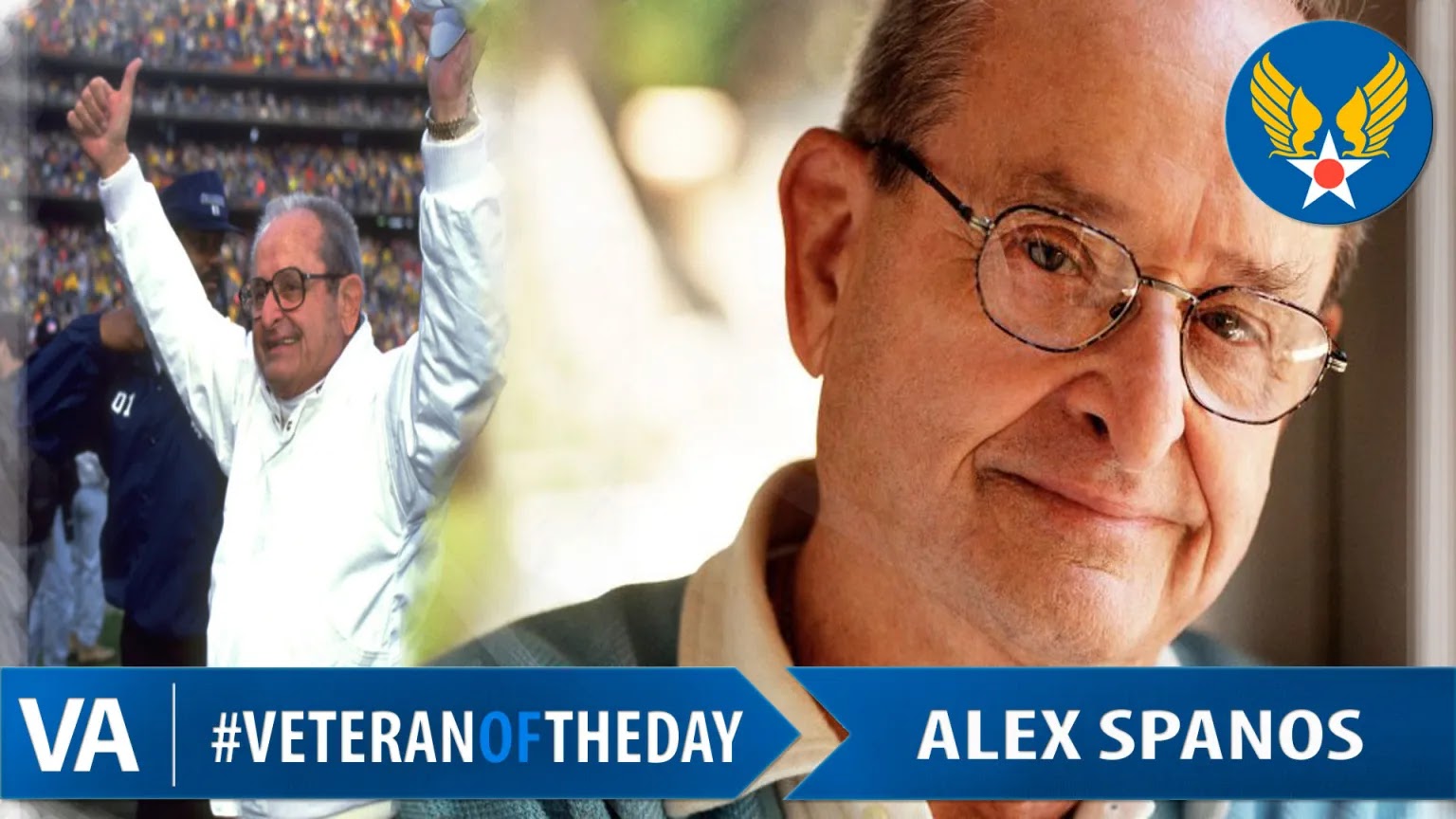
The Extraordinary Life of Senior DeMolay Alexander Spanos: From WWII Tail Gunner to Billionaire

Alex Spanos demolay
The story of Alex Spanos is a remarkable journey of triumph against adversity, an embodiment of the American dream. Beyond his role as a billionaire philanthropist, Alex Spanos was a WWII tail gunner, whose wartime experiences played a significant role in shaping his character and resilience. Born in modest circumstances to Greek immigrant parents, Spanos' life exemplifies the transformative power of determination, leadership, and the unwavering commitment to service instilled in him as a member of the Order of DeMolay.

Early Life and DeMolay Experience

Born on September 28, 1923, in Stockton, California, Alex Spanos grew up during the challenging era of the Great Depression. From a young age, he learned the values of hard work, perseverance, and community support, which would prove invaluable throughout his life. Spanos' journey towards greatness began when he joined the Order of DeMolay, a Masonic youth organization dedicated to cultivating leadership skills and moral character in young men.

As a DeMolay member in Stockton, Spanos embraced the organization's core values, which would lay the foundation for his future success. His involvement in DeMolay sharpened his public speaking skills, emphasized the importance of teamwork, and instilled a strong sense of ethics and responsibility. These qualities would prove instrumental as he embarked on his journey beyond the organization.

Wartime Service as a Tail Gunner

Upon the outbreak of World War II, Alex Spanos answered the call to serve his country. Enlisting in the armed forces, he joined the United States Army Air Forces and served as a tail gunner aboard a B-29 bomber. The role of a tail gunner was one of immense courage and responsibility, as they defended the aircraft against enemy fighters during bombing missions.

Spanos' service as a tail gunner exposed him to the harsh realities of war and demanded unwavering courage in the face of danger. His wartime experiences forged a profound sense of resilience, determination, and camaraderie with his fellow servicemen. The lessons learned during his time as a tail gunner would serve as a testament to his strength of character and indomitable spirit in the years to come.

Building a Business Empire and Philanthropic Legacy

Following his return from WWII, Alex Spanos channeled his determination and work ethic into the business world. He began in the bakery business but quickly transitioned to real estate development, founding the A.G. Spanos Companies. Under his visionary leadership, the company grew into one of the most prominent real estate development firms in the United States.

Spanos' success allowed him to achieve billionaire status, but he never forgot the values he had learned as a DeMolay member and as a tail gunner. Alongside his business accomplishments, he dedicated his life to philanthropy, contributing generously to charitable causes, educational institutions, and community organizations. His philanthropic legacy extended to sports, where he purchased the San Diego Chargers and became a prominent supporter of youth sports programs.

Conclusion

Alex Spanos' extraordinary life journey, from a young DeMolay member to a billionaire philanthropist and WWII tail gunner, reflects the indomitable spirit of those who overcome adversity and serve their communities. His role as a tail gunner in WWII exemplifies his courage and commitment to defending his country, while his DeMolay experiences instilled in him the values of leadership and character.

Through his business success and philanthropic endeavors, Alex Spanos made a lasting impact on countless lives and communities. His story is a testament to the enduring influence of organizations like DeMolay and the profound impact of wartime service. Alex Spanos will always be remembered as a true American hero, a dedicated philanthropist, and a symbol of resilience and leadership.

Wednesday, December 27, 2023

DeMolay and Beyond: How Membership Shapes Lives

The path to becoming a responsible and empowered leader often begins with a single step, and for countless young men, that step is taken through membership in the Order of DeMolay. Founded in 1919, this Masonic youth organization has a profound impact on the lives of its members, shaping them into individuals who embody the principles of character, leadership, and service. DeMolay goes beyond being just a youth club; it serves as a transformative journey that equips its members with the tools they need to succeed in life, leaving an enduring mark on their characters and futures.

One of the foundational elements of DeMolay is its commitment to fostering character development. Through its rituals, teachings, and codes of conduct, DeMolay instills in its members a strong moral compass, guiding them toward making ethical choices in their daily lives. This emphasis on character helps young men become individuals of integrity, honesty, and responsibility.

DeMolay also places a significant emphasis on leadership development. Members are given opportunities to take on leadership roles within their chapters, where they learn to lead by example, communicate effectively, and collaborate with others. These experiences are invaluable, as they prepare DeMolay members to become leaders not only within the organization but also in their schools, communities, and future careers.

Service to the community is another core value of DeMolay. Members are encouraged to engage in various service projects and activities that allow them to give back to their communities and make a positive impact. This commitment to service instills a sense of responsibility and compassion in DeMolay members, inspiring them to become active contributors to society.

Beyond character development, leadership, and service, DeMolay fosters a sense of brotherhood that extends far beyond the years of membership. The bonds formed within DeMolay chapters create a supportive network of like-minded individuals who share a common commitment to the organization's values. These lifelong friendships provide members with a sense of belonging and support, which can be particularly valuable during the challenges of adolescence and beyond.

The impact of DeMolay membership goes beyond the years spent actively participating in the organization. The values, skills, and friendships forged within DeMolay chapters continue to shape the lives of its alumni long after they have moved on. Many DeMolay alumni credit their experiences within the organization with helping them succeed in various aspects of their lives, from their careers to their personal relationships.

DeMolay alumni have gone on to achieve remarkable success in diverse fields, including business, politics, entertainment, and more. Notable figures like Walt Disney, John Wayne, and Bill Clinton have spoken openly about the positive influence DeMolay had on their lives. These individuals attribute their leadership skills, strong character, and commitment to service in part to their experiences in DeMolay.

In conclusion, the Order of DeMolay serves as a powerful catalyst for personal growth and development in the lives of young men. Its focus on character, leadership, service, and brotherhood provides members with a solid foundation upon which to build successful and meaningful lives. The impact of DeMolay goes beyond the years of active membership, leaving an indelible mark on its alumni and society as a whole. It is a testament to the enduring power of mentorship, community, and values that bind us together, shaping lives for the better. DeMolay truly goes beyond membership; it shapes lives and prepares young men to become leaders and responsible citizens of the world.

The Senior DeMolay Test: Did the Lessons Survive the Organization?

It has been some time since I have written for this blog. This blog originally grew out of my involvement with our local DeMolay chapter and...